Deixe um recado
Se você estiver interessado em nossos produtos e quiser saber mais detalhes, deixe uma mensagem aqui e responderemos assim que possível.
enviar
bandeira
Lar

blog

blog

  • The Art of Precision: Metal Cutting Blades
    Apr 13, 2026
    In the grand symphony of modern industrial manufacturing, metal cutting blades are the "hardcore" force that dictates the rhythm of precision.   As a core component among industrial consumables, a cutter blade is more than just a tool; it is the crystallization of material science and precision engineering. When facing stainless steel, known for its extreme toughness and work-hardening properties, or galvanized steel, which requires specialized corrosion resistance for its coating, ordinary blades often fall short. Premium custom blades overcome these challenges by utilizing high-performance high-speed steel or tungsten carbide, combined with advanced vacuum heat treatment processes. This ensures the blade maintains ultra-high hardness while possessing exceptional impact toughness.   Every blade is engineered to conquer the rigidity of metal. Through customized design of the edge's microscopic geometry and reinforcement with nano-coatings like TiAlN, these blades effectively reduce frictional heat and inhibit chip bonding. The result is a cross-section as smooth as silk with every cut.   In today’s pursuit of high efficiency production, precision cutting means more than just reducing material waste—it represents a qualitative leap in equipment uptime. Selecting the superior edge and customizing for the material is key. A high-quality blade is not merely cold steel; it is the essential key empowering the manufacturing industry’s transition toward precision and efficiency. Whether in the high-speed motion of slitting lines or the meticulous environment of precision sheet metal processing, that cool silhouette of the cutting edge remains the steadfast guarantee of industrial productivity.
    LEIA MAIS
  • Our company specializes in manufacturing custom cutter blades
    Apr 13, 2026
    Our company has been deeply engaged in the industrial cutting field for many years, focusing on the research, development, and manufacturing of high performance customized cutter blades. We provide refined solutions tailored to the physical characteristics of different metal materials:   Stainless Steel Series: Overcoming its high work-hardening rate and stickiness, we use high-red-hardness alloy materials to ensure smooth cutting edges without burrs.   Galvanized Steel Series: By optimizing the cutting edge geometry, we effectively prevent zinc layer peeling and extend the blade's service life in complex corrosive environments.   We not only provide products but are also dedicated to solving technical problems in the cutting process, such as chipping and poor wear resistance, through material selection, hardness matching, and surface coating treatments.  
    LEIA MAIS
  • Key Specifications of Slitting Knife
    Apr 08, 2026
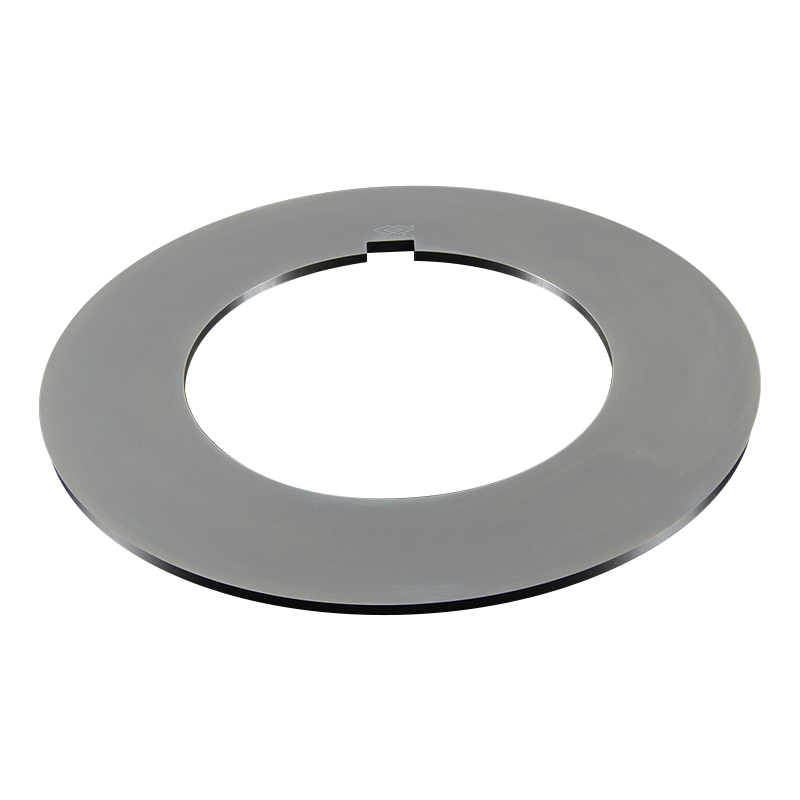
    When selecting or designing a disk knife, several dimensions are critical to ensure compatibility with the slitting machine:   Outer Diameter (OD): Determines the depth of cut and the speed of the blade edge.   Bore/Arbor Hole: The center hole size must match the machine's drive shaft perfectly to avoid "run-out" (vibration).   Thickness: Thinner blades create less waste, but thicker blades are more stable under high lateral pressure.   Bevel Angle: Single Bevel: Sharpest edge, used for soft materials.   Double Bevel: Stronger edge, used for tougher materials to prevent chipping.
    LEIA MAIS
  • Primary Slitting Methods of Circular Disk Slitting Knife
    Apr 08, 2026
    A circular disk slitting knife is a precision-engineered cutting tool used across various industries—from paper and plastic to metal and textiles—to slice large rolls of material into narrower widths.   There are three main ways these knives are used in a production line:   Shear Slitting: This uses two knives—a "male" (top) knife and a "female" (bottom) knife—that act like a pair of scissors. It is the most common method for high-speed, precise cutting of paper and film.   Crush Slitting: A circular knife with a radiused edge is pressed against a hardened rotating cylinder (anvil). The material is essentially pinched until it separates. This is ideal for non-woven fabrics and adhesives.   Razor Slitting: While often using flat blades, circular razor slitting involves thin, sharp disks rotating at high speeds to slice through thin films without the need for a bottom knife.
    LEIA MAIS
  • How Blade Shape Defines Shredding Performance
    Mar 30, 2026
    In the world of industrial recycling, the geometry of a double shaft shredder blade is not just a design choice—it is the primary factor determining throughput and material size. The interaction between the rotating hooks and the spacers creates the mechanical shear necessary to break down tough solids.   1. The Number of Hooks The most visible variation is the number of "teeth" or hooks on a single disk.   Single-Hook Blades: These feature a large, aggressive tooth. They are designed for heavy-duty volume reduction of bulky items like tires or large furniture. They provide a powerful "grab" but result in a very coarse, irregular output.   Multi-Hook Blades (3, 5, or more): As the hook count increases, the shredder produces a smaller, more uniform particle size. These are ideal for processing plastics or electronic waste (E-waste) where consistent material sizing is required for downstream sorting.   2. Blade Thickness and Profile The width of the blade directly correlates to the width of the shredded strips.   Narrow Blades: Produce thin strips, increasing the total surface area of the processed material, which is vital for chemical recycling or incineration.   Hook Angle: A sharper, more acute hook angle improves the "bite" on slippery materials like HDPE pipes, while a blunter angle offers higher structural integrity for crushing brittle materials like glass or cast aluminum.   Summary Choosing the right shape is a balance between aggression and precision. While a single-hook blade excels at tearing apart a car tire, a multi-hook configuration is necessary to turn that tire into manageable rubber chips. Matching the blade profile to the specific physical properties of your waste stream is the only way to maximize efficiency and minimize energy consumption.
    LEIA MAIS
  • Key Advantages of High Performance Granulator Knife
    Mar 24, 2026
    In the plastic granulation process, the granulator knife is far more than just a piece of sharpened steel. It is a precision tool that directly dictates the quality of the final recycled resin. Investing in high-quality blades offers several transformative advantages for recycling facilities.   1. Superior Pellet Uniformity and Quality The primary advantage of a premium blade is its ability to produce clean, consistent cuts. High-grade blades minimize "tails" and "fines" (dust), ensuring that the pellets meet strict industry standards for size and shape. This uniformity is critical for downstream processes like injection molding or extrusion, where inconsistent pellet sizes can lead to feeding issues and structural defects in new products.   2. Enhanced Durability and Wear Resistance Modern pelletizer blades are often crafted from advanced materials like D2 tool steel, high-speed steel (HSS), or tungsten carbide. These materials offer:   Impact Toughness: Resistance to chipping when hitting harder plastic clumps.   Heat Stability: Maintaining a sharp edge even during high-speed, continuous friction.   Extended Lifespan: Reducing the frequency of blade changes, which directly lowers labor costs and machine downtime.   3. Energy Efficiency and Cost Savings A sharp, well-engineered blade requires significantly less torque to shear through plastic. By reducing the resistance during the cutting phase, plants can see a noticeable drop in amperage draw and overall energy consumption. Furthermore, because clean cuts generate less heat, there is a lower risk of material degradation or "gumming up" the equipment, preserving the value of the polymer.   4. Precision Engineering for Specific Resins Whether you are processing soft PE films or abrasive glass-filled nylon, specialized blade geometries allow for optimized shearing angles. This customization ensures that the machine operates at its highest possible throughput without overloading the motor.   In summary, high-performance granulator blades are the backbone of a profitable recycling operation, turning "waste" into a high-value, marketable commodity with maximum efficiency.
    LEIA MAIS
  • A Guide to Granulator Blade Maintenance
    Mar 24, 2026
    A Guide to Granulator Blade Maintenance: 1. Regular Sharpening and Precision Gapping Never wait for the blade to become completely dull. Operating with blunt edges increases friction, leading to material melting and excessive motor strain.   The Golden Rule: Maintain a consistent sharpening schedule based on the abrasiveness of your plastic (e.g., glass-filled resins require more frequent checks).   Gap Adjustment: Always reset the clearance between the rotating and stationary blades after sharpening. A gap that is too wide leads to "folding" of thin plastics rather than clean cutting.   2. Routine Inspections and Cleaning Before each shift, inspect the blades for nicks, cracks, or loose bolts. Even a single loose fastener can cause catastrophic internal damage.   Remove Contaminants: Ensure the feed material is free of metal debris.   Thermal Checks: Monitor the temperature of the cutting chamber; excessive heat is a primary indicator of dull blades or improper alignment.   3. Proper Lubrication and Storage When the machine is idle for extended periods, apply a thin coat of anti-rust oil to the blade surfaces. This prevents oxidation, which can weaken the cutting edge over time.
    LEIA MAIS
  • Breve introdução à faca de coroa de eixo único
    Mar 19, 2026
    O Faca Crown de Eixo Único A lâmina móvel ou bloco de lâminas de um triturador de eixo único é o componente consumível mais crítico do equipamento. Sua lógica de projeto é muito engenhosa: em combinação com a lâmina longa, ela consegue cortar e triturar materiais de grande volume. A característica mais proeminente do Faca Crown de Eixo Único é a sua estrutura simétrica quadrada. Corte com múltiplas arestas: Todos os quatro cantos da faca Crown possuem arestas de corte. Quando um dos cantos se desgasta e a força de corte diminui, o operador só precisa soltar os parafusos de fixação e girar a lâmina 90° para usar uma aresta totalmente nova. Vida útil: Uma lâmina pode ser virada e usada 4 vezes, o que reduz significativamente os custos com peças de reposição e a frequência de substituição. Design de superfície côncava: As lâminas quadradas de alto desempenho geralmente possuem uma superfície ligeiramente côncava. Essa estrutura geométrica proporciona um melhor efeito de "agarramento do material", tornando o corte mais limpo e reduzindo o calor gerado pelo atrito com o material.
    LEIA MAIS
  • Vantagens das lâminas trituradoras de eixo único
    Mar 16, 2026
    Vantagens de lâminas trituradoras de eixo único: Bom efeito de cisalhamento: a lâmina e a lâmina fixa formam um cisalhamento contínuo, os materiais triturados ficam uniformes e o tamanho das partículas é controlável. Alta adaptabilidade: pode lidar com uma variedade de materiais, desde materiais macios até materiais de dureza média. Alta eficiência e durabilidade: fabricado em aço de alta resistência, com boa resistência ao desgaste e longa vida útil. Manutenção fácil: a maioria delas possui um design com peças substituíveis, que podem ser trocadas separadamente após o desgaste, economizando custos de manutenção. Consumo de energia relativamente baixo: devido ao design de eixo único, o equipamento apresenta pequenas flutuações de carga durante a operação e alta eficiência energética.
    LEIA MAIS
  • O que é uma lâmina trituradora de eixo único?
    Mar 12, 2026
    lâmina trituradora de eixo único É uma ferramenta de corte industrial instalada no rotor (eixo) do triturador de eixo único, especialmente utilizada para rasgar, cortar e triturar diversos materiais residuais, como blocos de plástico, tábuas de madeira, produtos de borracha, chapas metálicas finas, papelão e assim por diante. Na produção industrial, determina a capacidade e a eficiência de processamento dos trituradores, sendo particularmente adequada para a reciclagem e reutilização de materiais como plástico, borracha, madeira e metal.
    LEIA MAIS
  • O papel fundamental das lâminas de triturador de eixo duplo no tratamento de resíduos sólidos.
    Mar 05, 2026
    lâminas trituradoras de eixo duplo São essenciais para o tratamento de resíduos sólidos. Aumentam a velocidade de processamento e auxiliam na recuperação de recursos de três maneiras principais: Em primeiro lugar, essas lâminas proporcionam uma trituração eficiente. Resíduos sólidos, como lixo doméstico, resíduos industriais e eletrodomésticos antigos, variam em forma e dureza. Lâminas de alta qualidade com bordas afiadas e dentes bem projetados agarram e cortam os materiais, fragmentando rapidamente os resíduos em partículas uniformes. A eficiência da trituração aumenta de 20% a 30% em comparação com lâminas comuns, reduzindo o tempo de ciclo. Em segundo lugar, lâminas de alta qualidade garantem uma recuperação consistente de recursos. Sua resistência ao desgaste e precisão proporcionam uma trituração uniforme, evitando o processamento excessivo ou insuficiente. Como resultado, elas fornecem matéria-prima confiável para triagem e reciclagem subsequentes, apoiando processos como a regeneração de plásticos e a extração de metais. O desempenho consistente ajuda a minimizar os custos de recuperação de recursos secundários. Por fim, essa propriedade é a base para uma operação estável. Trituradores de eixo duplo utilizam dois eixos rotativos paralelos com lâminas interpenetrantes para cortar materiais. Esses trituradores geralmente operam 24 horas por dia. As lâminas precisam suportar cargas de alto impacto durante o corte de resíduos sólidos. Lâminas fabricadas com materiais de alta resistência e durabilidade reduzem o lascamento e as falhas do equipamento. Isso limita o tempo de inatividade, permite a operação contínua e reduz as perdas de produção. Escolher o certo lâminas trituradoras de eixo duplo Melhora a eficiência do tratamento de resíduos sólidos. Também auxilia as empresas a alcançarem redução, tratamento seguro e recuperação de recursos. Essas lâminas são indispensáveis ​​no processo de tratamento de resíduos.
    LEIA MAIS
  • Como fazer a manutenção e o serviço das lâminas do triturador de eixo duplo
    Feb 28, 2026
     Como fazer a manutenção e a assistência técnica do lâminas trituradoras de eixo duplo:Operação diária e procedimentos de inicialização/desligamentoAntes de iniciar o funcionamento: Certifique-se de que a cavidade esteja livre de objetos estranhos, verifique se a lâmina está firmemente fixada e bem lubrificada e confirme se a proteção de segurança está em boas condições. Para máquinas novas, reaperte os parafusos da lâmina imediatamente 1 hora após o início do funcionamento.Durante a operação, assegure-se de que os materiais sejam alimentados uniformemente. Evite sobrecargas. Não adicione itens duros, como metal. Monitore ruídos incomuns. Observe a corrente e a saída. Interrompa a operação imediatamente se detectar qualquer anormalidade.Após a limpeza, remova cuidadosamente os resíduos com uma escova ou ar comprimido, de preferência nos cantos. Evite usar produtos de limpeza agressivos.Limpeza e LubrificaçãoLimpeza: Remova os materiais após cada parada. Limpe profundamente a câmara da lâmina e a própria lâmina semanalmente. Remova substâncias aderidas para evitar corrosão e danos à borda da lâmina.Lubrificação:Após a limpeza da lâmina, aplique óleo antiferrugem para evitar a corrosão.Os rolamentos, que são os suportes rotativos que reduzem o atrito dentro do triturador, devem ser lubrificados com graxa à base de lítio de grau NLGI 2 (classificação padrão para espessura e dureza da graxa) a cada 100-500 horas.O redutor, uma caixa de engrenagens que diminui a velocidade do motor para aumentar o torque, deve ser abastecido com óleo de engrenagem ISO VG 320 (uma viscosidade padrão da indústria) a cada 2000 horas, mantendo-se a temperatura do óleo entre 45 e 80 °C.Aplique trava-rosca (um produto químico que fixa parafusos e porcas) ao apertar os parafusos. Isso evita que eles se soltem devido à vibração ou ao uso. Especificações de moagem:Utilize uma retificadora dedicada. Em cada passada de retificação, não ultrapasse um curso de 0,1 mm. Mantenha o ângulo original da lâmina. Após a retificação, verifique e remova as rebarbas, garantindo o balanceamento dinâmico com um desequilíbrio inferior a 0,5 g·cm. Mantenha o desequilíbrio inferior a 0,5 g·cm após a remoção das rebarbas.Evite usar refrigeração a água. Deixe a lâmina esfriar naturalmente para evitar rachaduras.Substitua a lâmina se o desgaste na largura exceder o limite permitido ou se houver lascas. Use ambos os lados das lâminas de dupla face. Para materiais finos, ajuste a folga para 0,8 mm.Diariamente: Remova os resíduos. Inspecione as lâminas e os parafusos em busca de danos. Preste atenção a ruídos anormais. Verifique a lubrificação.Semanalmente: Limpeza profunda. Afiar lâminas cegas. Verificar folga e paralelismo. Lubrificar áreas críticas.Mensalmente: Inspeção completa para verificar desgaste, calibrar folga, substituir lâminas danificadas, lubrificar completamente e trocar o óleo (conforme cronograma).Máquina nova ou revisão geral: Aperte as lâminas 1 hora após a inicialização. Realize inspeções completas e calibração da folga em até 72 horas. 
    LEIA MAIS
1 2 3 4 5
Informação
Entre em contato
Se você estiver interessado em nossos produtos e quiser saber mais detalhes, deixe uma mensagem aqui e responderemos assim que possível.
enviar
A espinha dorsal da satisfação do cliente

Deixe um recado

Deixe um recado
Se você estiver interessado em nossos produtos e quiser saber mais detalhes, deixe uma mensagem aqui e responderemos assim que possível.
enviar
CONTATE-NOS: wen@aclshred.com

Lar

Produtos

WhatsApp

CONTATE-NOS